Young Jewish Women Are Asking for the Tools to Lead. JWI Is Answering. 

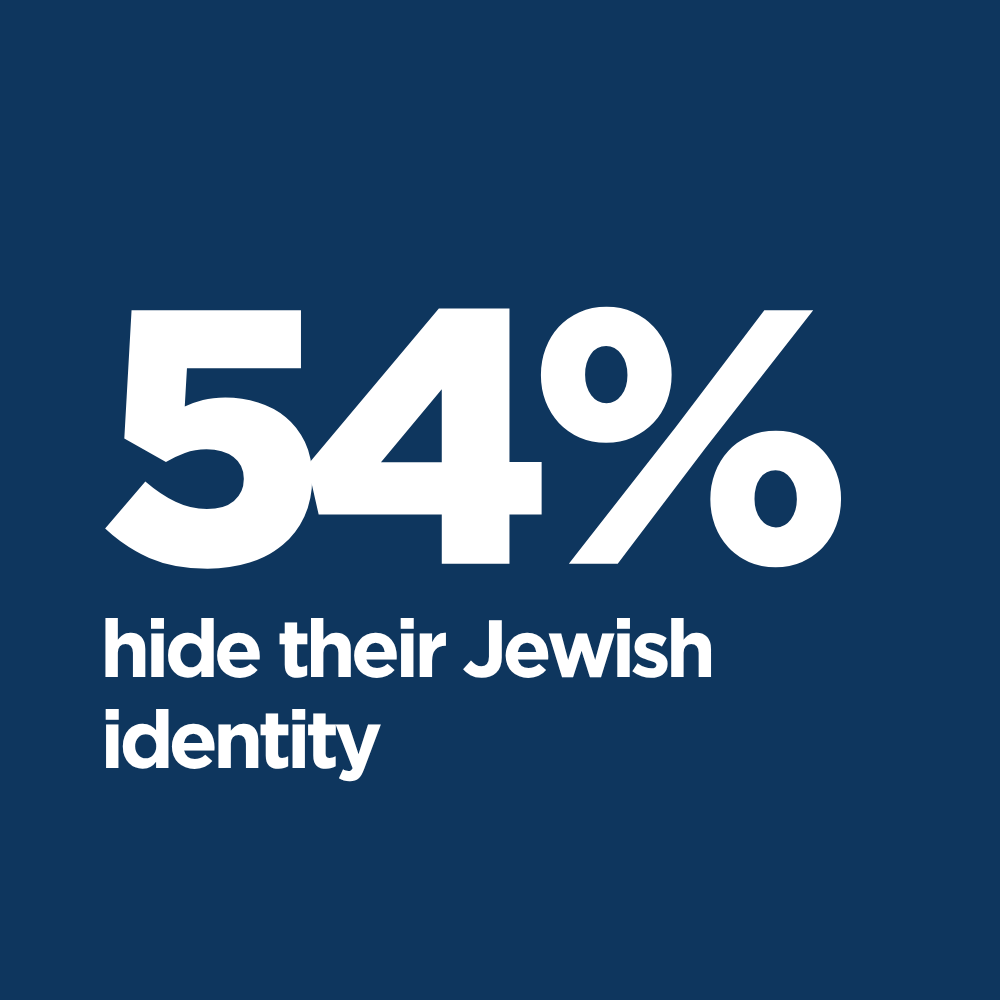
Since October 7, young Jewish women report experiencing antisemitism that targets them not just as Jews, but as women—denial of sexual violence that retraumatizes survivors, threats to their safety, pressure to hide their identities. Many describe isolation from communities where they once felt welcome, even as they deepen their connection to Judaism and seek spaces where their full identity is embraced. 

In fall 2025, JWI surveyed young Jewish women ages 20-34 to understand their experiences. What we found demands a response—and JWI's trauma-informed, survivor-centered approach, combined with decades of expertise in gender-based violence prevention, positions us uniquely to respond. 

What We Found 

Young Jewish women reported that antisemitism in their daily lives more than doubled since October 7.

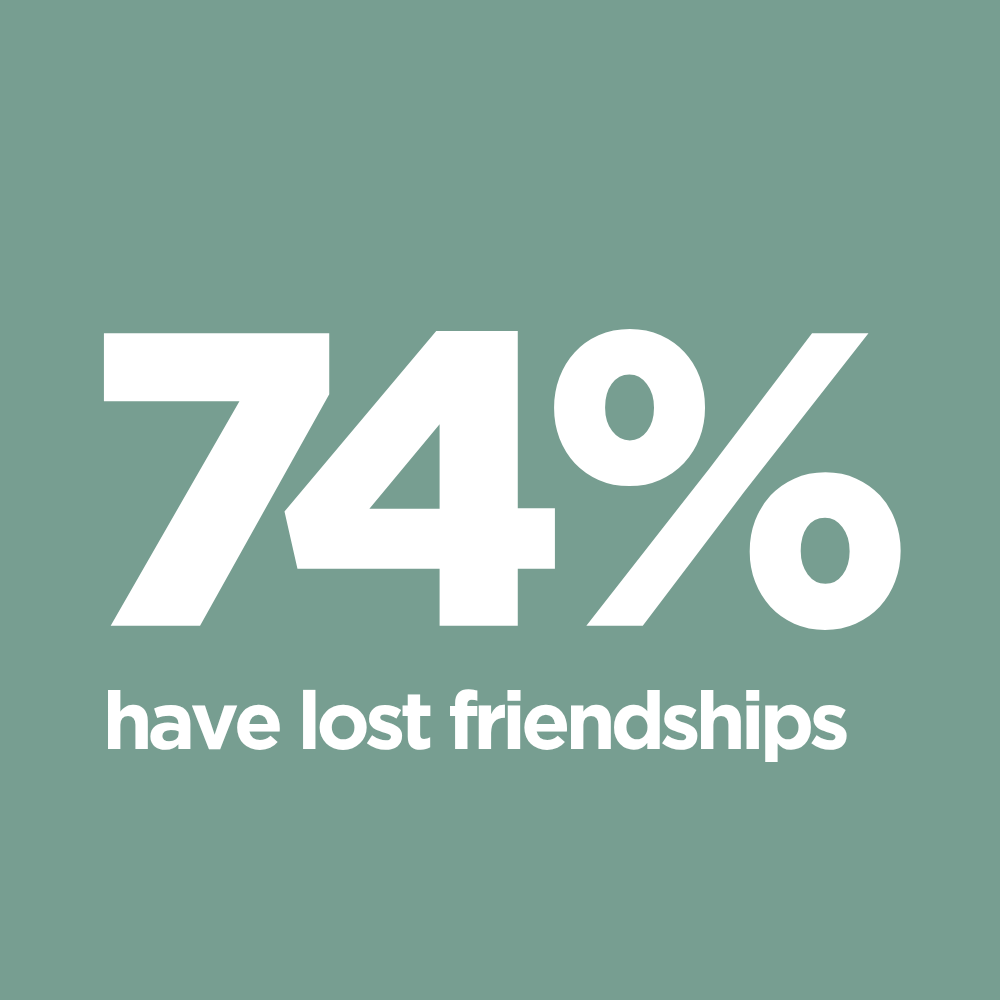
Three-quarters lost friendships.

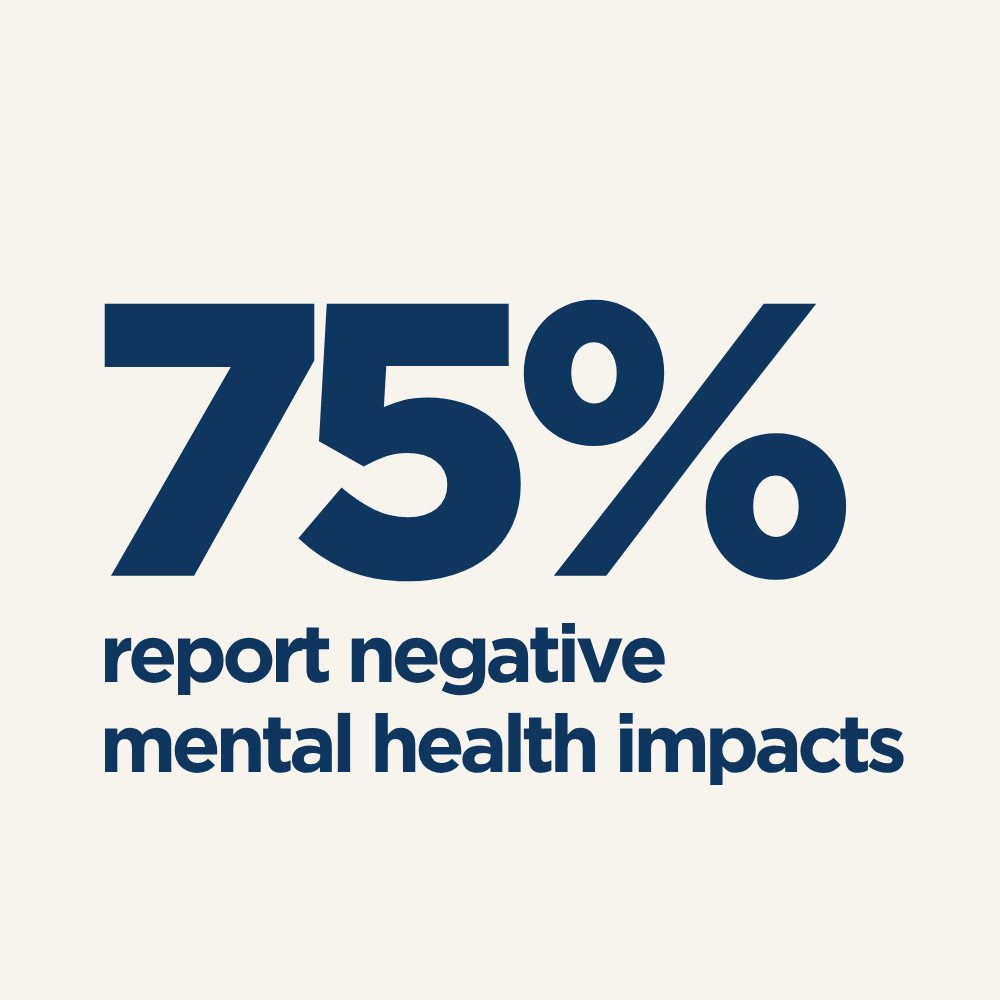
Three-quarters reported negative mental health impacts—including panic attacks, hypervigilance, and constant fear.

Nearly one in four felt traumatized or retraumatized by the denial and disinformation around the sexual violence of October 7.

In Their Own Words 

I completely abandoned my career plans in light of the war, as I knew I would face discrimination and be uncomfortable in most work environments.
— Survey respondent
I was reminded of my own sexual trauma and retraumatized by my peers’ nonchalant reactions to sexual violence against Israeli women.
— Survey respondent
I feel it is my duty to loudly represent my people, in spite of fear of violence or harassment. I am hyper aware of antisemitic violence and feel unsafe in certain areas near my home.
— Survey respondent
JWI has been my life raft. I never have to justify that everyone has the right to a safe and peaceful life. It’s such a gift to have a space where I don’t have to leave behind any parts of my identity.
— Focus group participant
wtw 25 blue background.png

JWI's Response: Turning Resilience into Collective Strength

Young Jewish women aren't waiting to be rescued. They're asking for the tools to lead: 

45% want mentorship and networking with Jewish women leaders across industries. 

36% want spaces for open dialogue and emotional processing with other Jewish women. 

35% want training on navigating difficult conversations and building resilience. 

And three-quarters reported deeper connection to Judaism since October 7. They're seeking community, finding their voices, and stepping into leadership. 

JWI is answering this call. 

We're expanding circles of belonging where young women can show up as their whole selves. We're creating leadership pathways that turn isolation into advocacy and fear into power. We're developing tools and training that equip the next generation to lead with conviction. 

JWI's trauma-informed, survivor-centered approach—woven through all our work with Jewish women—positions us uniquely to respond to antisemitism that retraumatizes, isolates, and silences. For decades, we've worked at the intersection of gender-based violence prevention and Jewish women's leadership. 

green.jpg

Read the Full Report

This survey reveals crisis and resilience among young Jewish women since October 7. Download the complete findings to see what young women told us about antisemitism, mental health, isolation, and what they're asking JWI to build.


 You Can Help Shape What's Next

Young Jewish women are asking for mentorship with leaders, community with other Jewish women, and training to navigate difficult conversations. JWI is building circles of belonging, leadership pathways, and tools that turn resilience into collective strength.